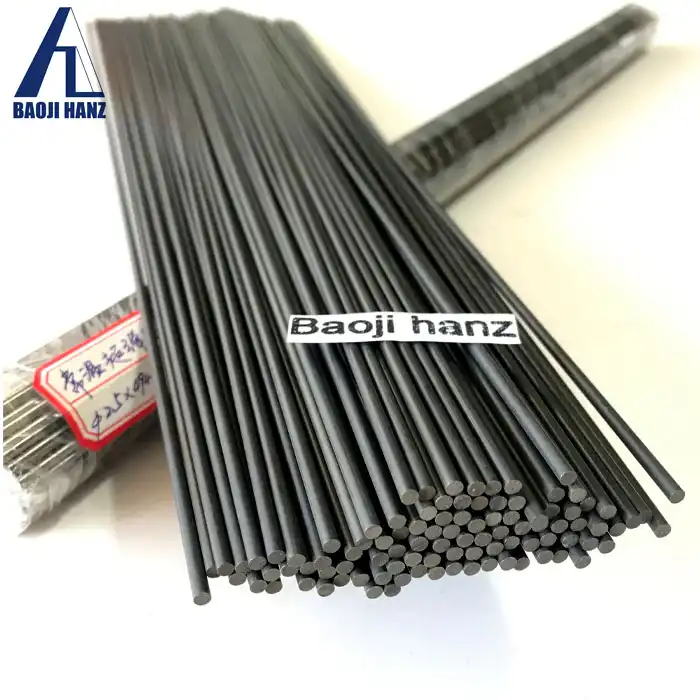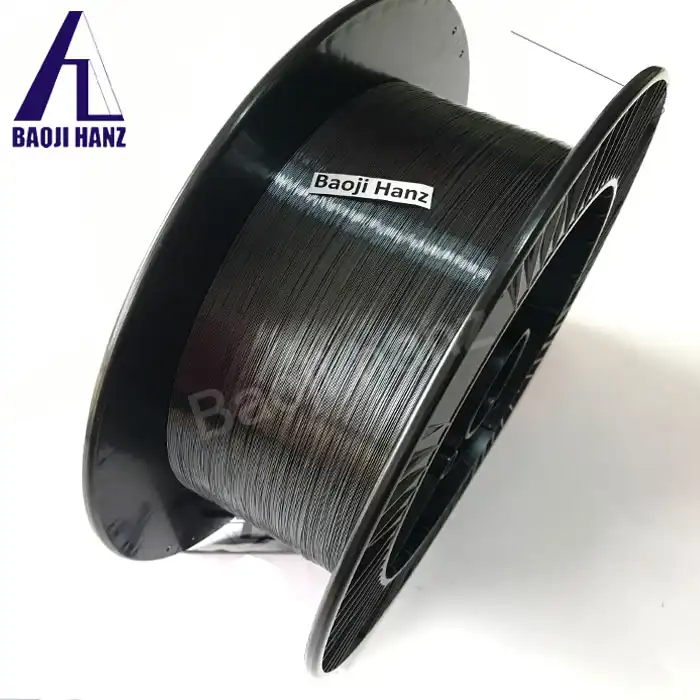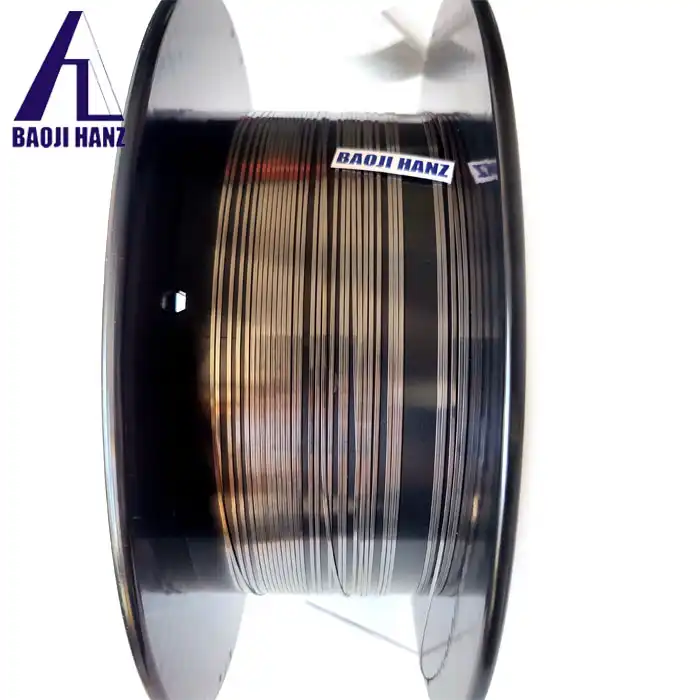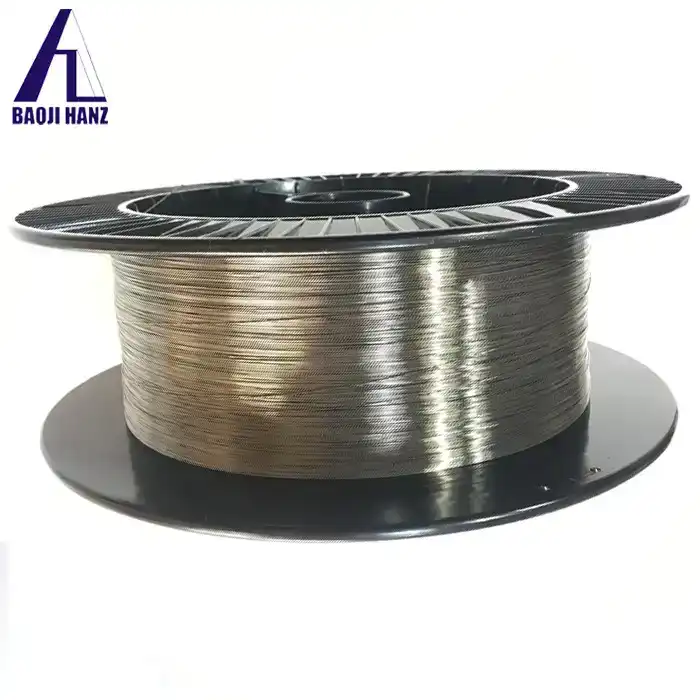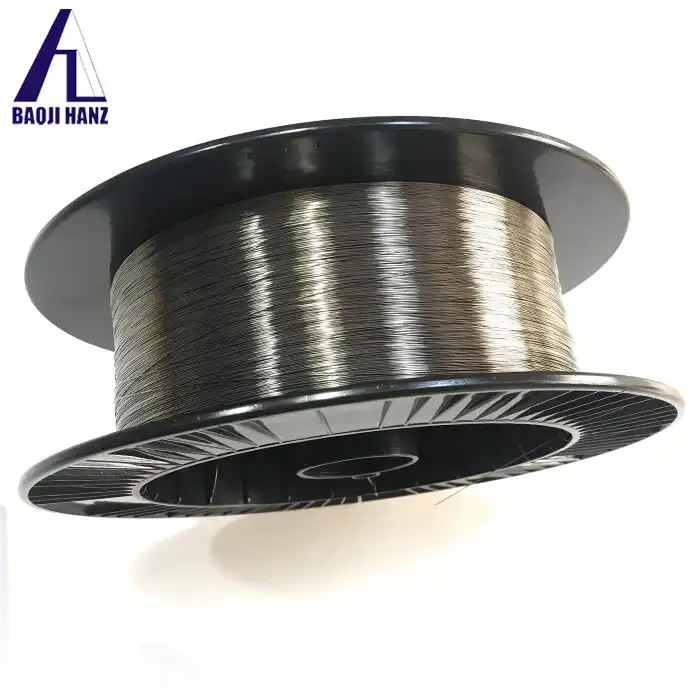
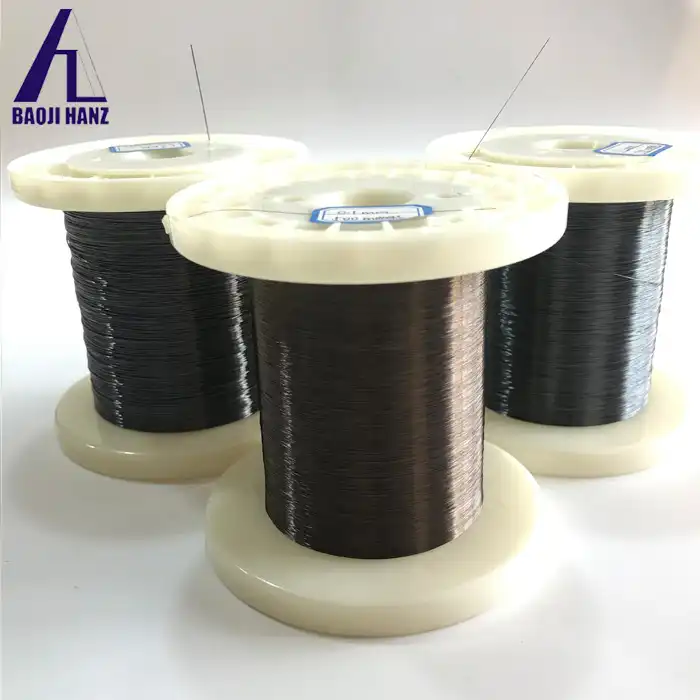
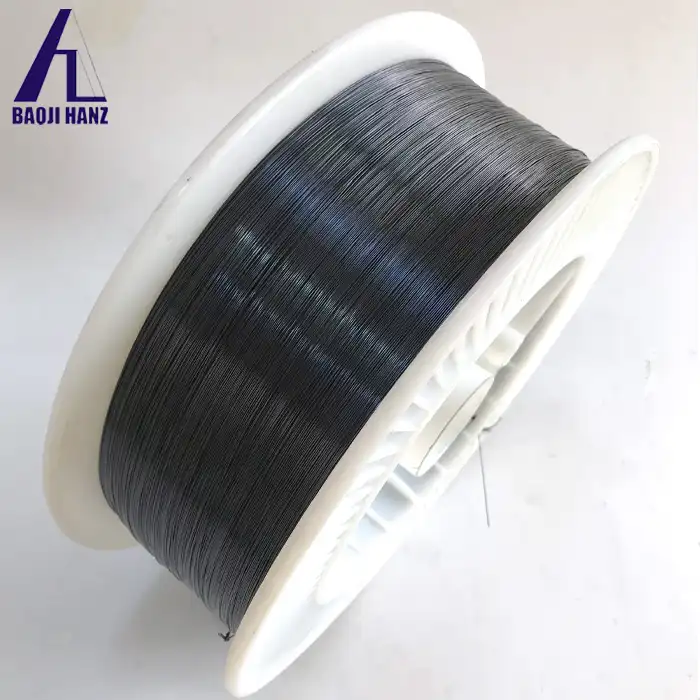
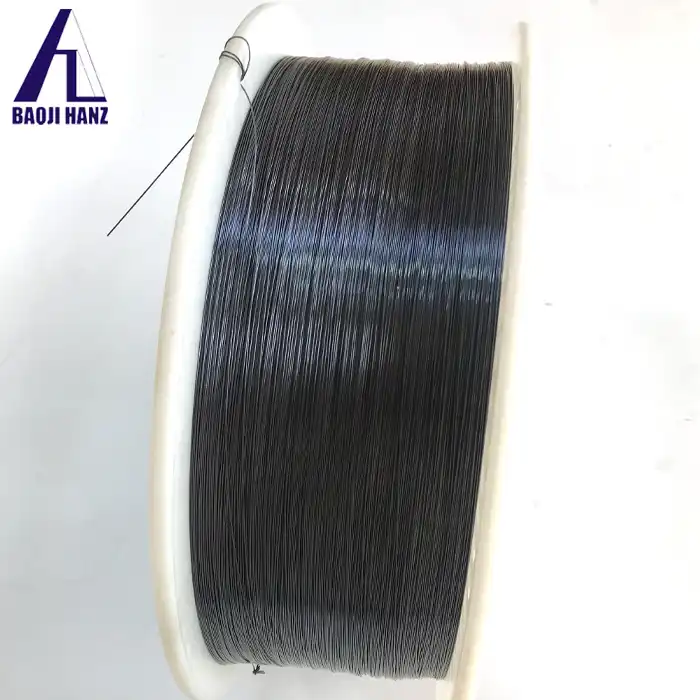





In the realm of precision engineering materials, 0.05mm nitinol wire stands out as a remarkable innovation, leveraging the unique characteristics of nickel-titanium (NiTi) shape memory alloy to meet the demands of high-tech industries worldwide. This ultra-fine wire, with a diameter as thin as 0.05mm, combines exceptional flexibility, superelasticity, and biocompatibility, making it an indispensable component in applications where precision, reliability, and material performance are non-negotiable. Whether in medical devices, aerospace components, or advanced consumer electronics, 0.05mm nitinol wire continues to redefine the possibilities of what advanced materials can achieve.
 The exceptional properties of 0.05mm nitinol wire are rooted in its unique chemical composition and thermoelastic martensitic phase transformation. Typically composed of 54.5% to 57% nickel and the balance titanium, this alloy exhibits two defining traits: shape memory effect and superelasticity. The shape memory effect allows the wire to recover its pre-programmed shape when heated above a specific transformation temperature (Af), even after significant deformation. Meanwhile, its superelasticity enables it to withstand strains far beyond the elastic limit of conventional metals—up to 8%—and return to its original form without permanent damage when the load is removed. Additionally, 0.05mm nitinol wire boasts excellent corrosion resistance, outperforming even high-grade medical stainless steel, and biocompatibility that meets international standards such as ISO 13485 and ASTM F2063, making it safe for use in medical implants and devices.
| Performance Parameter | Value Range |
| Density | 6.5g/cc |
| Tensile Strength | 800~1100 MPa |
| Yield Strength (Austenitic State) | 150~300 MPa |
| Elongation | 20%~40% |
| Elastic Modulus (Austenitic State) | 70~80 GPa |
| Hardness (HV) | 250~350 |
Manufacturing 0.05mm nitinol wire is a complex, precision-driven process that requires strict quality control at every stage to ensure consistent performance and dimensional accuracy. The process begins with the careful preparation of raw materials, where high-purity nickel and titanium are mixed in precise proportions and melted in a vacuum or inert atmosphere to avoid contamination. This molten alloy is then cast into ingots, which undergo hot forging and rolling to form intermediate billets. The critical step of wire drawing follows, where the billets are subjected to multiple passes of cold drawing to gradually reduce the diameter to 0.05mm. Between each drawing pass, the wire undergoes vacuum annealing to eliminate residual stresses, restore plasticity, and refine the grain structure—essential for enhancing its shape memory and superelastic properties. Final surface treatment, such as polishing or pickling, removes any surface defects and improves corrosion resistance, while rigorous testing ensures the wire meets tight dimensional tolerances (typically ±0.004mm for wires in the 0.05mm range) and performance specifications.
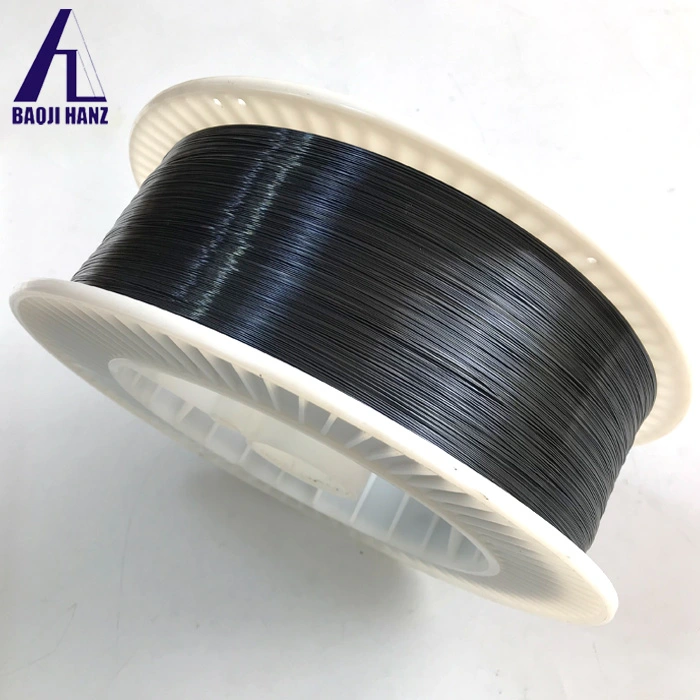
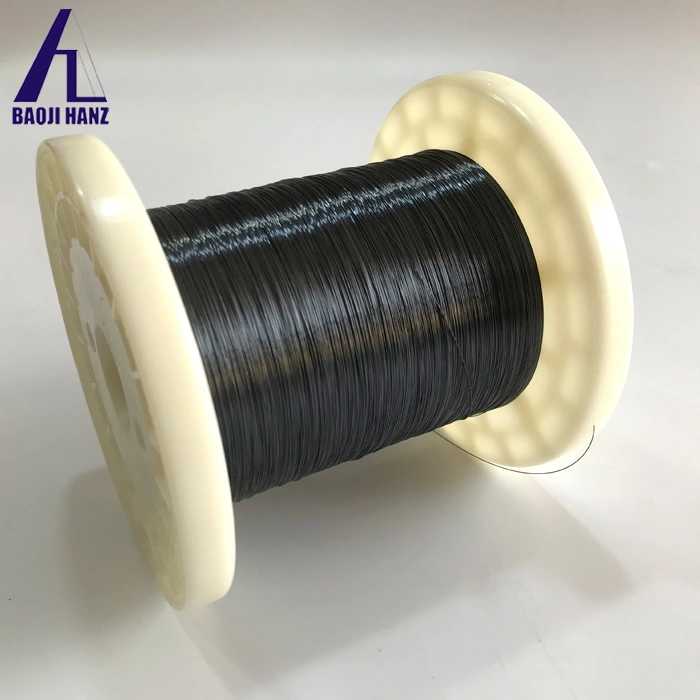
The versatility of 0.05mm nitinol wire is evident in its wide range of applications across diverse industries, with the medical field being one of the most prominent. In minimally invasive procedures, this ultra-fine wire is used to manufacture guidewires that navigate through narrow blood vessels to deliver stents, catheters, or other therapeutic devices with unparalleled precision. Its superelasticity allows the guidewire to bend and conform to the body’s natural curves without kinking, while its shape memory ensures it maintains structural integrity during the procedure. Orthodontics also benefits from 0.05mm nitinol wire, where it is used in archwires and orthodontic files that apply gentle, continuous force to realign teeth, reducing patient discomfort compared to traditional stainless steel wires. Beyond medicine, the aerospace industry utilizes this wire in precision actuators, morphing structures, and vibration-damping components, where its high fatigue resistance and controlled actuation enable reliable performance in extreme environments. In consumer electronics and robotics, 0.05mm nitinol wire serves as micro-actuators in small-scale devices, such as miniature pumps and valves, leveraging its shape memory effect to deliver precise, energy-efficient movement.
Company introduction
Baoji Hanz as expert of Nitinol wire has been on this field more than 10 years. with top quality material, advanced equipment and professional production team, our nitinol wire are sold to America, Europe, Asia and Oceania. All clients has high comments of 0.05mm nitinol wire, especially for medical and dental field.
QUALITY is our culture, we will keep going and supply high quality nitinol wire to all over the world.
Contact us
email: baojihanz-06@hanztech.cn
WhatsApp: +86 18329678518
Our business starts here!
_1753930177984.webp "nitinol ingot")
_1751266472736.webp "nitinol bar")