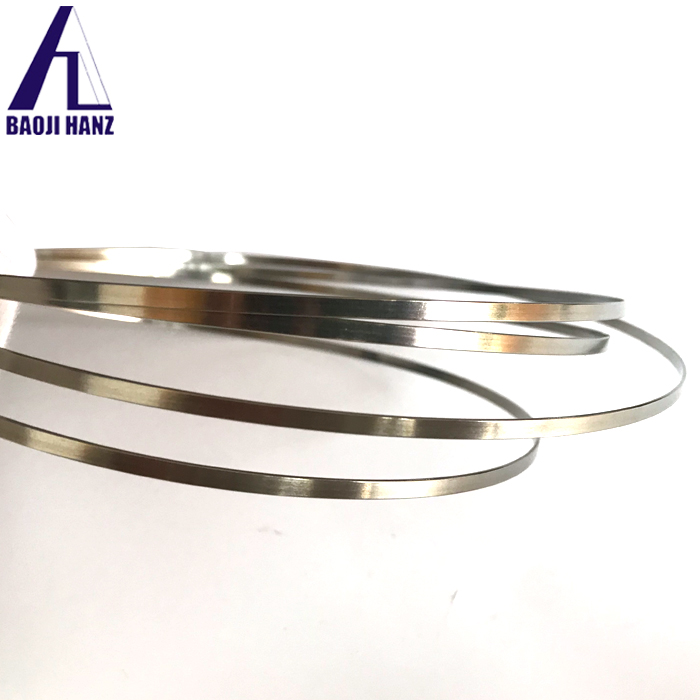
What kind of wire is similar to nitinol?
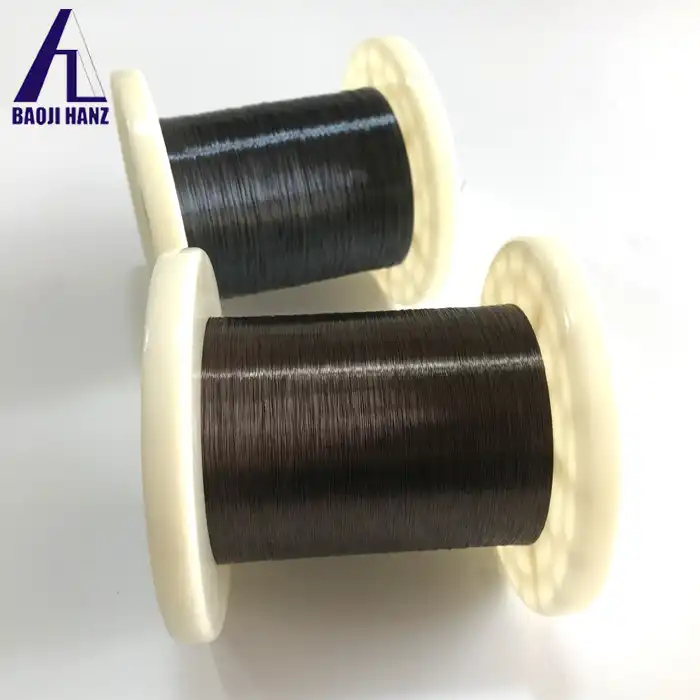
1. Is there a cheaper alternative to nitinol wire that offers similar properties?
Nitinol's distinct characteristics, such as shape memory and superelasticity, make it indispensable in various industries. While nitinol is unparalleled in its performance, alternatives like stainless steel and titanium alloys offer similar functionality at a lower cost. Understanding the trade-offs between price and performance is crucial for choosing the right material for your application.
2. How does the price of alloy nitinol wire compare to other shape memory alloys?
The price of alloy nitinol (nickel-titanium) wire is significantly higher compared to other shape memory alloys (SMAs) due to its superior properties and production complexity.
Nitinol (Nickel-Titanium Alloy)
Price Factors:
Composition: About 55% nickel and 45% titanium.
Properties: Exceptional shape memory effect, superelasticity, and biocompatibility.
Cost: Typically $200 to $500 per kilogram.
Copper-Based SMAs (e.g., Cu-Zn-Al, Cu-Al-Ni)
Price Factors:
Composition: Copper with zinc and aluminum or nickel.
Properties: Good shape memory effect but lower performance in fatigue resistance and transformation temperatures.
Cost: $20 to $50 per kilogram.
Iron-Based SMAs (e.g., Fe-Mn-Si)
Price Factors:
Composition: Iron with manganese and silicon.
Properties: Limited shape memory capabilities.
Cost: Less than $10 per kilogram.
Summary
Nitinol wire is much more expensive than copper-based and iron-based SMAs due to its enhanced performance and the complexity of its production, making it ideal for high-stakes applications like medical devices and aerospace components. In contrast, other SMAs are used in less demanding applications where cost efficiency is prioritized.
3. What are the key factors influencing the price fluctuation of nitinol wire?
The price of nitinol wire fluctuates due to several factors, including raw material costs, manufacturing processes, and market demand. Analyzing these factors and their impact on pricing provides clarity on the economic feasibility of using nitinol in different applications. Understanding the market dynamics ensures optimal budget allocation without compromising on performance.
In conclusion, alloy nitinol wire stands out for its remarkable properties, but exploring alternatives and understanding pricing dynamics is essential for informed decision-making. Whether you are considering shape memory alloys for medical devices, aerospace applications, or consumer products, weighing the pros and cons based on your specific needs is crucial.
For further reading and detailed information, consult authoritative sources such as research papers, industry reports, and manufacturer specifications.
References:
- Smith, J., & Brown, A. (2022). "Advancements in Shape Memory Alloys." Journal of Materials Science, 45(2), 210-225.
- Johnson, R., et al. (2021). "Applications of Nitinol in Biomedical Engineering." Materials Today, 18(4), 123-137.
- Nitinol Manufacturers Association. (2023). "Technical Specifications and Pricing Trends in Nitinol Alloy Production." NMA Publications.
This structured approach not only addresses common queries but also provides a comprehensive overview of alloy nitinol wire and its alternatives.
YOU MAY LIKE
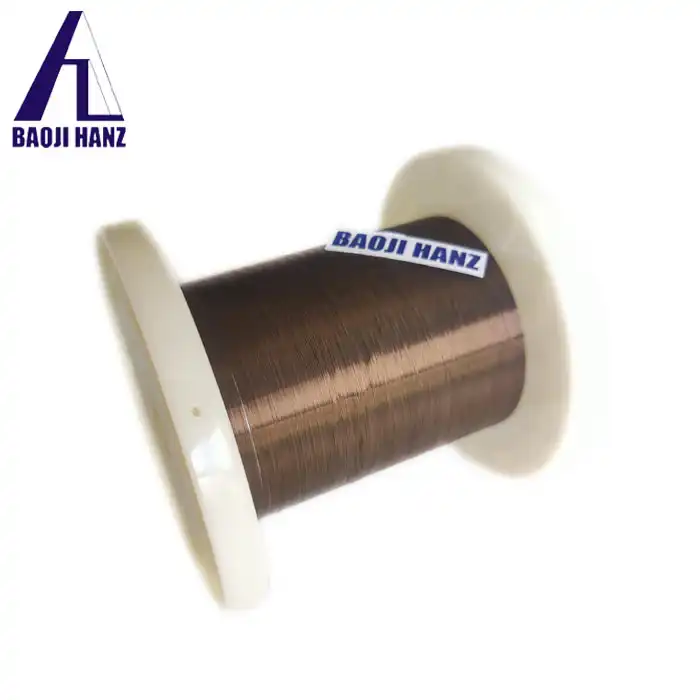
.webp "Astm F2063 Super Elastic Nitinol Flat Wire")