Can i use nitinol wire to splint?
2026-03-19 00:00:00
Nitinol Wire Description
relevant knowledge
Nitinol alloy wire, due to its super elasticity, shape memory property and excellent biocompatibility, is highly suitable for use in splints / braces for fixation.
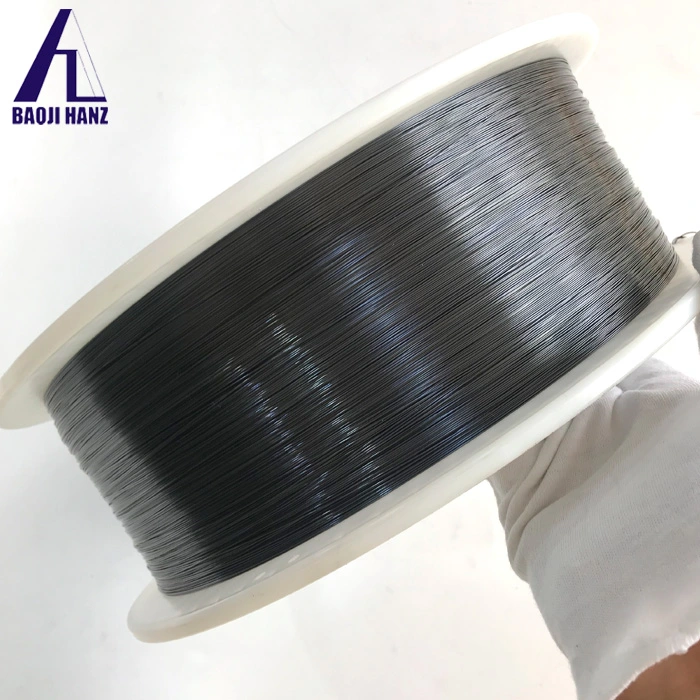
What are the Advantages of Using Nitinol Wire for Splinting?
Exploring the benefits of utilizing nitinol wire in splinting applications sheds light on its potential advantages over conventional materials:
Customization and Conformity: Nitinol's ability to be shaped precisely to fit a patient's anatomy offers superior comfort and support compared to rigid materials.
Reduced Bulk and Weight: Its high strength-to-weight ratio allows for lightweight splints without compromising on durability.
Long-term Stability: Nitinol's durability ensures that the splint maintains its shape and support over extended periods, reducing the need for frequent adjustments.
Can Nitinol Wire be Used as a Splint Material?
Nitinol wire's shape memory and superelasticity properties make it an intriguing candidate for splinting applications. However, its effectiveness depends on several factors:
Biocompatibility and Safety Concerns
ASTM F2063 specifies the standards for nitinol as a biocompatible material suitable for medical use. It is crucial to ensure that the nitinol wire used for splinting meets these standards to avoid adverse reactions or complications.
Mechanical Properties Relevant to Splinting
Nitinol's ability to return to a predetermined shape when subjected to heat (shape memory effect) and its high elasticity (superelasticity) are advantageous for splinting. These properties allow the splint to conform closely to the anatomy while providing adequate support.
Clinical Applications and Effectiveness
Research and clinical trials are essential to validate nitinol wire's efficacy as a splinting material. Understanding its performance in immobilizing fractures or supporting injured limbs compared to traditional materials is crucial.
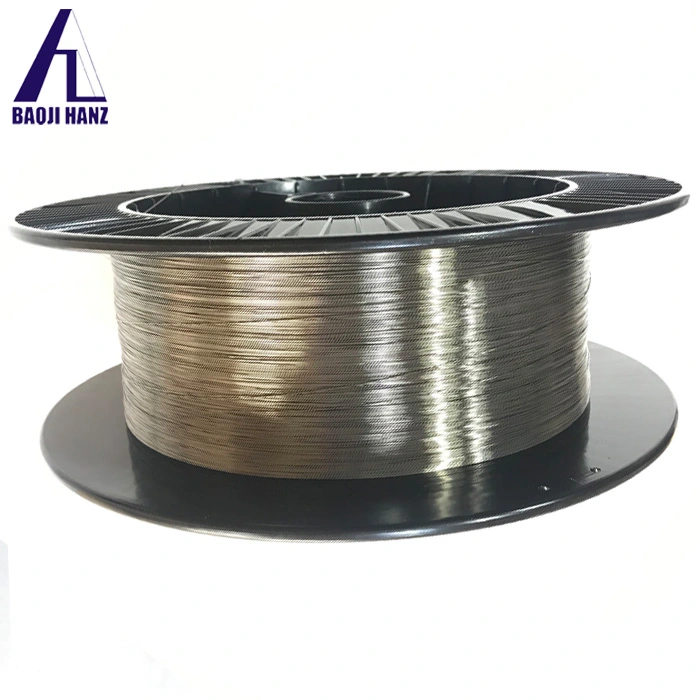
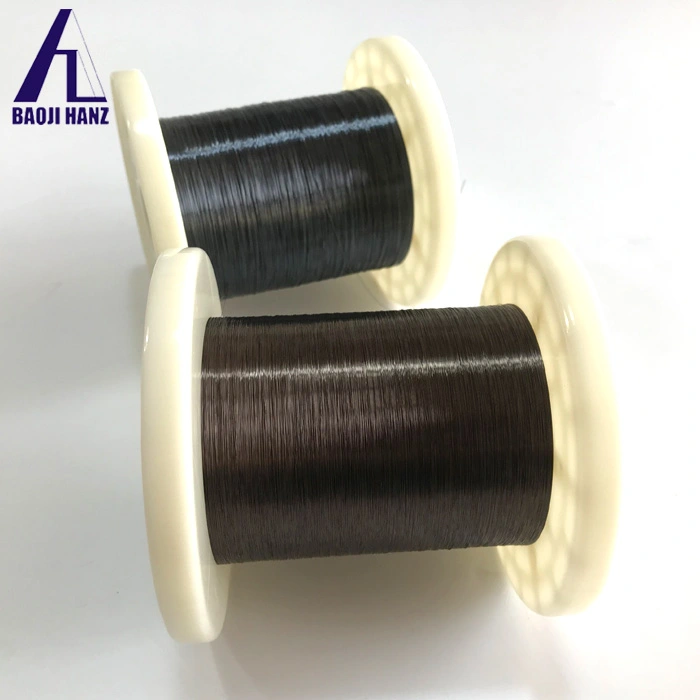
What are the Advantages of Using Nitinol Wire for Splinting?
Exploring the benefits of utilizing nitinol wire in splinting applications sheds light on its potential advantages over conventional materials:
Customization and Conformity: Nitinol's ability to be shaped precisely to fit a patient's anatomy offers superior comfort and support compared to rigid materials.
Reduced Bulk and Weight: Its high strength-to-weight ratio allows for lightweight splints without compromising on durability.
Long-term Stability: Nitinol's durability ensures that the splint maintains its shape and support over extended periods, reducing the need for frequent adjustments.
Note:
Medical applications must use biocompatible medical nickel-titanium alloys. Ordinary industrial nickel-titanium wires are not suitable for use in the human body.

How Does Nitinol Wire Compare to Other Splinting Materials?
To provide a comprehensive analysis, comparing nitinol wire with other commonly used splinting materials such as fiberglass and thermoplastics is essential:
-
Flexibility and Reusability: Unlike fiberglass, which requires specialized tools for application and removal, nitinol splints can potentially be reused after sterilization.
-
Patient Comfort and Compliance: Nitinol's conformability and lightweight nature may enhance patient comfort and compliance compared to traditional rigid materials.
-
Cost Considerations: Evaluating the cost-effectiveness of nitinol splints versus traditional options involves considering initial costs, durability, and potential for reuse.
Advantages of Nitinol Wire for Splinting
1. Superelasticity & shape memory**: Maintains constant, gentle force; adapts to tissue/bone movement without breaking.
2. Biocompatible**: Well-tolerated by human body, suitable for internal or long-term use.
3. Light & thin**: High strength-to-weight ratio, more comfortable than steel.
4. Fatigue resistance**: Durable under repeated bending.
5. Low stiffness**: Less rigid than stainless steel, reduces stress shielding.
Conclusion
In conclusion, while nitinol wire shows promise as a splinting material due to its unique properties and compliance with ASTM F2063 standards, its practical application requires careful consideration of biocompatibility, mechanical performance, and clinical validation. Future research and advancements in material science will further elucidate its role in enhancing medical splinting techniques.
At Baoji Hanz Metal Material Co., Ltd., we specialize in supplying high-purity nickel-titanium raw materials and processed products. These products are strictly controlled in terms of chemical composition and mechanical properties to meet international standards such as ASTM, AMS and ISO. We offer customized processing, technical support and stable supply chain solutions for industries such as aerospace, automotive, electronics and industrial manufacturing.
If you need to inquire, request samples or seek technical support, please contact us:
Email:baojihanz-niti@hanztech.cn
References:
-
ASTM F2063 - Standard Specification for Wrought Nickel-Titanium Shape Memory Alloys for Medical Devices and Surgical Implants.
-
"Shape Memory Alloys in Medicine" - Materials Science and Engineering: A, Volume 378, Issues 1-2, 25 March 2004, Pages 16-23.
-
"Nitinol as Biomaterial: Review" - Biomedical Materials, Volume 3, Number 3, September 2008.